


It’s become a commonplace of social-media health talk: “I went on holiday to Europe [from America] and all I did was eat croissants / gelato / pasta / bread etc. for a fortnight and still I lost 10 pounds! What’s wrong with the food in America!?”
There is something wrong with the food in America. The food is better in Europe. It’s not just that Europe has deeper food traditions and the use of fresh local ingredients still remains the norm, but also that food is regulated in a different way. Americans do things with food and to food that can’t be done in Europe. Take additives, for example. In the EU, there are around 2,000 additives licensed for use in food. In the US—nobody knows. The FDA’s “Generally Recognised As Safe” (“GRAS”) pathway has allowed food-makers to create new additives, declare that they’re safe and introduce them to the food supply without even telling the FDA. This has been happening since 1958. Insane—there’s no other word for it.
Even so, things aren’t perfect over here. Far from it. Just like in America, agriculture and the food system in Europe are subject to power, money and the influence of corporate interests. That influence is only growing. A recent exposé in The Guardian provided a valuable window onto exactly how these corporate groups get what they want, which in this case was blocking “some of the most sweeping farming reforms in EU history, including a plan to cut pesticide use in half.”
You’ve probably never heard of Copa Cogeca. I hadn’t, and I’m supposed to be a health expert (forgive me). According to The Guardian, “Copa Cogeca describes itself as the voice of 22 million farmers across the continent, and enjoys unrivalled access to EU lawmakers. It has even been described as a ‘partner in policymaking.’
Copa “swung into action…when the EU launched plans for radical farming reforms in 2020 in response to concerns about climate breakdown and the nature crisis.”
By February 2021, the group had “set out its lobbying strategy.”
“Dozens of documents recording internal Copa Cogeca meetings, obtained by Grilled—an investigative journalism project focused on food systems—and the Guardian give a rare glimpse into the inner workings of the lobbying firm.”
The exposé is something of a mixed bag. It shows the lobbying group fighting against what I would consider to be harmful climate-change-focused policies like cutting red-meat consumption—policies I want farmers to fight against, for their sake and for the sake of our health—while also attempting to stifle new regulations on pesticide use, which I’m very much in favour of. Lobbying like this is, at best, a mixed blessing, and at worst a nightmare.
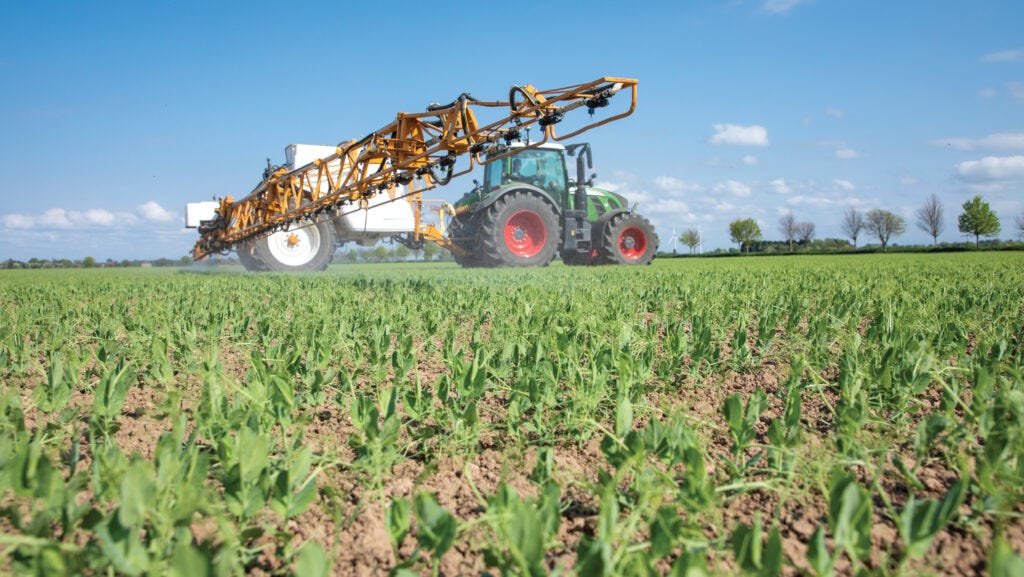
Copa were particularly worried about the EU’s goal of cutting pesticide use by half, to protect biodiversity, especially bees and insects. The group’s main strategy was to delay.
“The European parliament elections are in 2024,” a note from September 2022 states.
“Perhaps it is worth delaying until then. We must force the [European] Commission to abandon its objectives.”
In order to bog the EU down, Copa demanded a fresh impact assessment for the policy, which took six months to complete. When the EU then released an official report on the policy, Copa described it as “offensive” and presented EU ambassadors with its own privately commissioned research into the economic impacts of the policy. The ambassadors “showed understanding,” the group recorded in a set of minutes.
The safety licence for the pesticide glyphosate was also due to elapse, and the group was worried it might not be renewed. Glyphosate is the most widely used pesticide in the US and has been linked to a range of harms from reproductive issues to cancer. Bayer, one of the main manufacturers of glyphosate-based herbicides, has already settled billions of dollars of claims for illness caused by its Roundup products, and faces thousands more claims and billions more dollars in payouts. Copa told its members to pressurise their local representatives to ensure the licence was renewed.
It was.
Eventually, the pesticide regulation was withdrawn altogether, a few months short of the 2024 elections. The EU is now also considering removing periodic safety reassessments for pesticides that are already licensed for use.
Thomas Waitz, a Green MEP from Austria who sits on the agriculture committee, told The Guardian, “Copa Cogeca focused on sabotaging, delaying and ultimately killing the sustainable use of pesticides regulation. They are acting in the interest of large agrichemical multinationals and against the wellbeing of small and medium farmers.”
Otherwise, the report shows Copa fighting against policies aimed at reducing red-meat consumption (good), and also pushing to redefine what a factory farm is (not good).
