


Yesterday I read a new case report about a man in India who developed severe psychiatric delusions as a result of testosterone therapy.
Testosterone therapy is often prescribed to men whose testosterone levels are low. While some may have low testosterone for lifestyle reasons—obesity, poor diet, lack of sleep, exposure to harmful chemicals—others simply can’t produce enough of the hormone for natural reasons, like a congenital defect. In both cases, doses of the hormone can be administered, either by injection into the blood or by application of a gel that soaks into the skin.
The Indian man, aged 45, arrived in hospital after experiencing a wild change in his behavior. Over the course of just a few days, the man had “developed intense religious beliefs, became highly suspicious of his neighbors, and required very little sleep. He also reported hearing voices, including the voice of God and voices seeming to come from parts of his own body.”
The man had never experienced any mental illness, and there was no history of psychiatric disorders in his family.
A year earlier, he had been diagnosed with osteoporosis and low testosterone, so doctors put him on testosterone therapy. He received shots of the hormone once a month thereafter. His psychotic break coincided with his latest dose, so the doctors decided to stop the treatment. Testosterone, like all hormones, can have significant effects on psychology and behavior, especially if administered in doses that exceed the body’s natural production—this was already known.
Over a period of two months, his mood became stable again. Doctors decided to administer a lower dose of testosterone, and monitored him closely. The symptoms did not return.
Looking at him again in close detail, the doctors recognized the tell-tale signs of Klinefelter’s syndrome, a genetic abnormality that causes men to have an extra X chromosome, making them XXY instead of XY. Men with Klinefelter’s have smaller testes, less body and facial hair, wide hips and narrow shoulders, tall stature and brittle bones.
So why am I telling you this? Two reasons: to demonstrate 1) that hormones and drugs can induce radical effects on human psychology and physiology, and they can do so rapidly (on this, read my new book, The Last Men: Liberalism and the Death of Masculinity); and 2) that our understanding of the side effects of medical treatments is often limited, and in the final instance can only be fully informed by considering the patient’s individual history and biology, including their genetic profile.
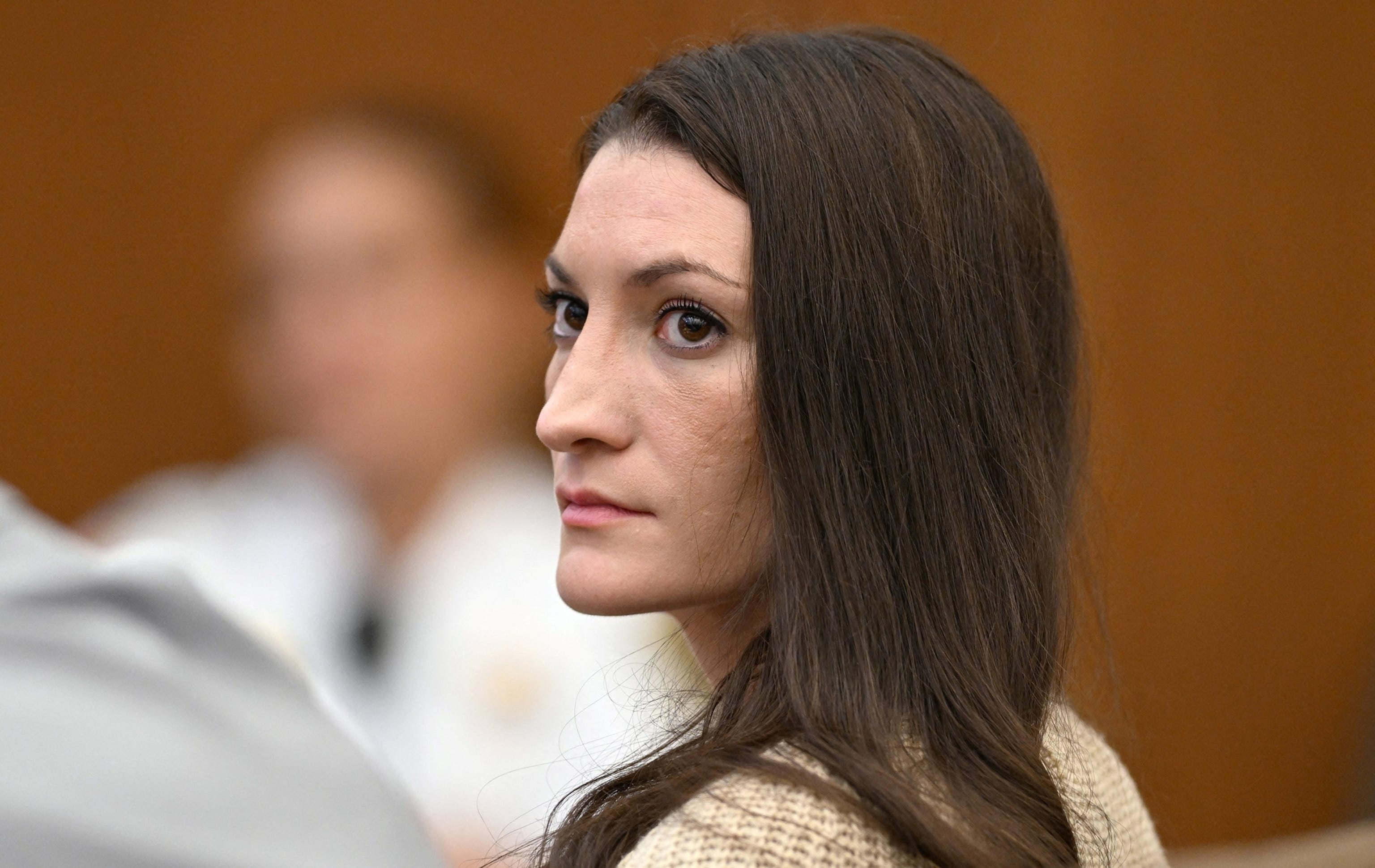
This matters right now, of course, because of events playing out in a Massachusetts courthouse, where Lindsay Clancy is on trial for the murder of her three young children. Clancy has admitted the killings, but claims diminished responsibility on the grounds of severe postpartum depression, auditory command hallucinations—voices telling her to kill—and overmedication with more than a dozen prescription drugs.
This will be my third piece of detailed analysis on the case in a week—given the gravity and complexity of the case, I feel justified in returning to it more than once—but this time I want to consider a different aspect.
In the other pieces, I’ve skirted around the issue of Lindsay Clancy’s responsibility for the heinous crime and focused instead on the insane reaction from the public, especially women, which has revealed something of the depth of entitlement, the persecution fantasies and sheer hatred of men that thousands, maybe even millions, of American women nurse within their breasts today.
It’s a scary prospect, bordering on a mass psychosis, and I think we have to ask serious questions about the role of women in American society and their suitability for exercising judgment in any kind of public capacity at all.
Should these women serve on juries?
Should they vote?
Should they be allowed to decide anything more complicated than what they want for breakfast—toast or oatmeal, eggs and bacon, a glass of orange juice?
A Pop Tart?
Yeah, I’m being kinda glib right now, I know, but tell me you’d want one, some or all of these women deciding your fate, because I know I sure as hell wouldn’t. Just throw me straight to the wolves and let them eat my privy parts instead.
Anyway, I’m going to get much closer to the question of Lindsay Clancy’s responsibility this time, by focusing on the drugs she’d been taking prior to the killings.
Even if the jury decides that Lindsay Clancy murdered her children in cold blood, we cannot—we should not—dodge the fact we know far too little about many if not all the drugs Americans are increasingly reliant upon to live semi-normal lives today: anti-depressants, anti-anxiolytics, mood stabilizers, sleep aids.
In America, rates of polypharmacy—defined as taking five more medications at the same time from five or more different unique drug classes—now run at an average of about 34% of all adults. That means one third of all adults are on five or more medications at the same time from five or more different unique drug classes. For ages 45-64, the figure is 38%, and for ages 65 and above, it’s 50.9%.
Sertraline, lorazepam, hydroxyzine, buspirone, benadryl, trazodone, fluoxetine, zolpidem, mirtazapine, clonazepam, quietiapine, diazepam, lamotrigine, amitriptyline—over a four-month period, between September 2022 and January 2023, Lindsay Clancy was on at least 14 different medications, many in combination at the same time. It’s not clear exactly which combinations she was taking, when.
